
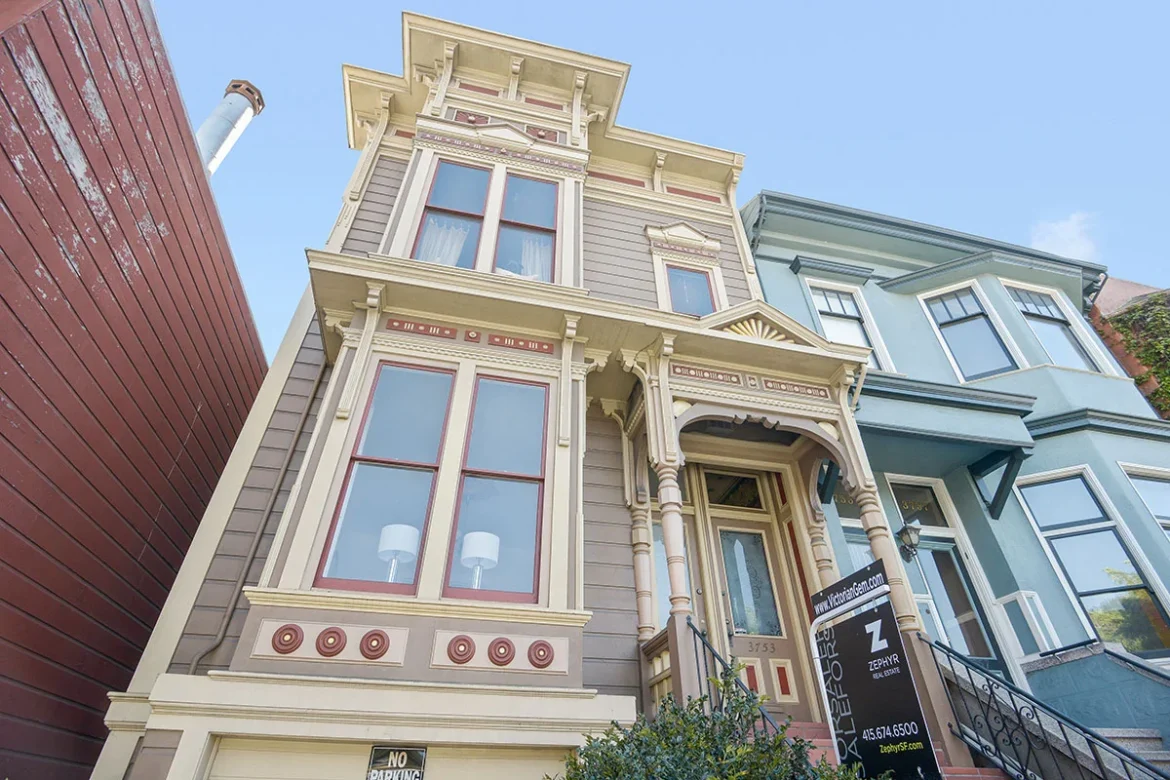
I sat down with a young couple last week who had done everything right. Down payment saved, lease ending in December, a phone full of saved listings. Then they looked at the rate on their pre-approval letter and their faces fell. Seven point four percent. The dream suddenly looked like a math problem that did not add up.
I get it. A year ago the 30-year fixed averaged around 6.30% (Freddie Mac data). This week the Freddie Mac weekly survey puts it at 7.40% (Reuters), the seventh weekly increase in a row and the highest reading since November 2023 (Reuters). On a $400,000 loan, today’s borrower pays about $291 more every month than a year ago, roughly $3,492 a year (Mortgage Daily). That stings.
But here is what I told that couple, and what I tell every buyer who walks into my office right now. You do not have to sit on the sidelines. You need a different playbook. These are the three moves I am seeing work.
- Shop lenders in the same hour, not the same month. Mortgage rates are moving fast right now, sometimes by several basis points a day (Mortgage Daily), and a quote from last month is ancient history. One lender does not define your rate. I tell buyers to get two lenders to quote them inside the same hour on the same day, so the comparison is real. The buyers who do this almost always find something better than their first quote, and the exercise costs nothing. Think of it as the home loan version of comparison shopping, because that is exactly what it is.
- Run the 15-year numbers before you rule them out. Most buyers never look past the 30-year option, and right now that habit is expensive. The same Freddie Mac survey that put the 30-year at 7.40% put the 15-year fixed at 6.73% (Mortgage Daily). That is a meaningful spread. The monthly payment is higher, but you build equity far faster and pay a fraction of the lifetime interest. Even if the 15-year does not fit your budget, the exercise forces you to price out the true cost of the loan instead of fixating on the sticker rate. Ask your lender to show you both side by side, with total interest over the life of each. Knowledge is leverage.
- Stop waiting for rates to come back, and start watching inventory. This is the counterintuitive one. While everyone waits for rates to drop, the Bay Area market keeps its own score. California Association of Realtors data shows the nine-county region at a $1,272,000 median price with just 2.6 months of inventory and homes moving in 22 days (North Coast Financial). In Santa Clara County, the median holds flat at $1,900,000 and homes sell in 12 days (North Coast Financial). Scarcity does not care about your rate forecast. A buyer who purchases at 7.4% and refinances later keeps the home they want. A buyer who waits for the perfect rate risks bidding against everyone else when rates finally fall. Marry the house, date the rate. That old saying has never been more true.
That couple from last week? They called me yesterday. Two same-hour quotes, a 15-year scenario in hand, and they are touring three homes this weekend. They are not thrilled about the rate. But they are in the game with a plan, and the plan is working.
If rates have you sitting on the fence, let us build your playbook together. Call me at 650-206-8295 or email contact@realtybates.com. We will look at your real numbers, your real options, and a path into the home you want, even at 7.4%.
Sources: Freddie Mac Primary Mortgage Market Survey for the week ending Oct. 8, 2026, reported by Mortgage Daily and Reuters; daily rate context from Mortgage Daily; Bay Area median price, inventory, and days-on-market figures from California Association of Realtors August 2026 data, via North Coast Financial.
Leave a Reply